
Light House
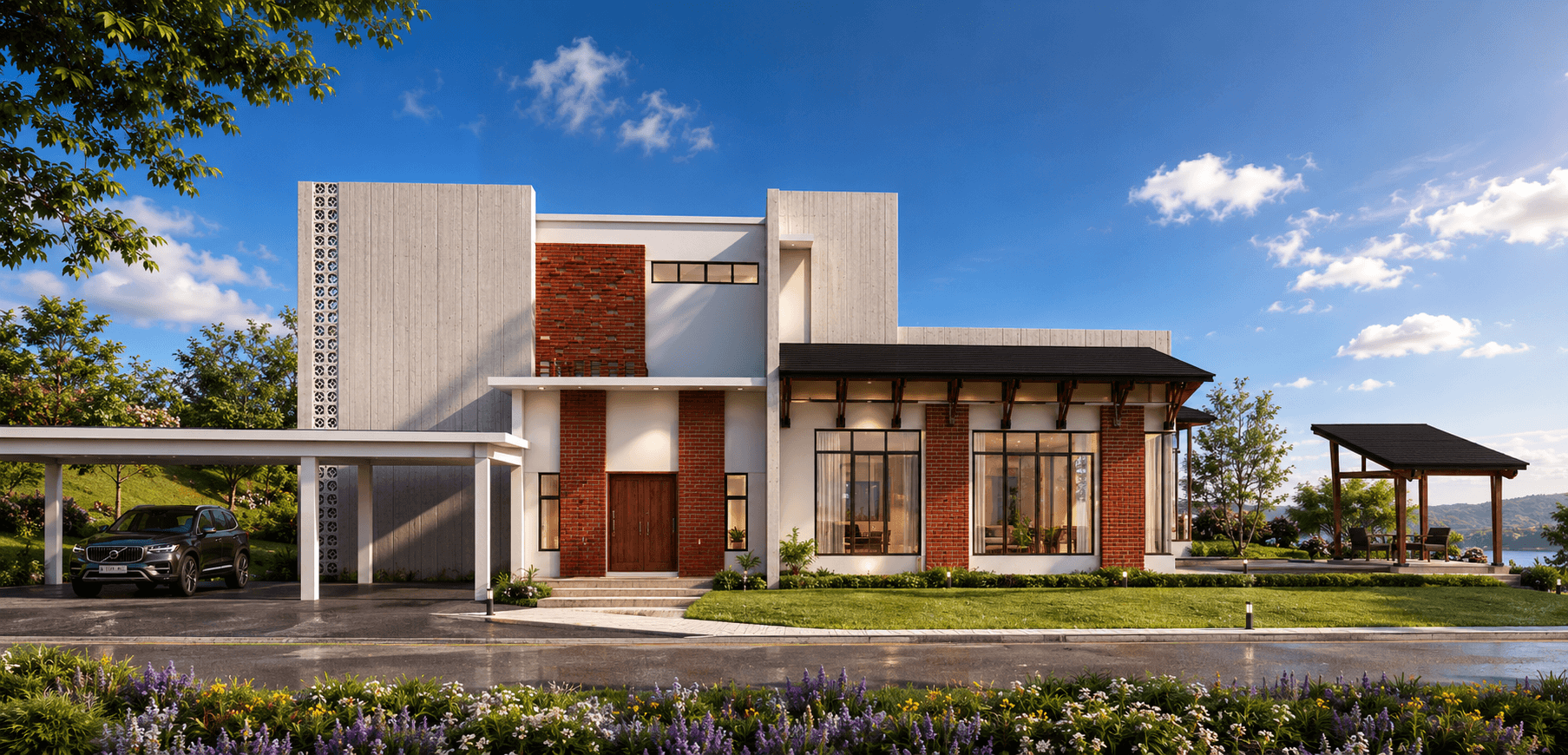
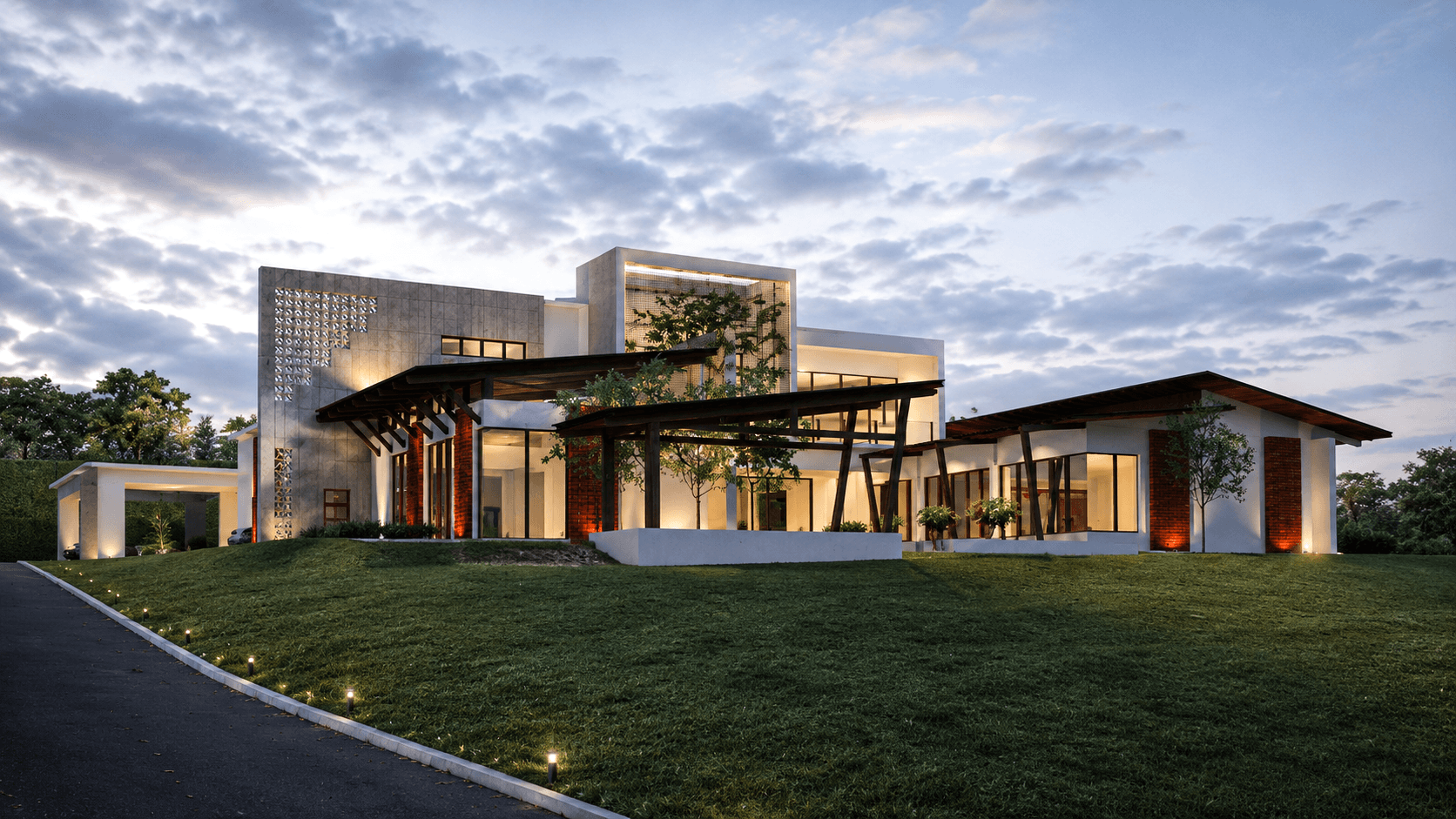
The Light House is conceived through a modern Balinese architectural language, where spatial openness and crafted enclosure exist in quiet balance. The main living spaces unfold in an open-plan composition, defined not by fixed boundaries but by monumental sliding walls that dissolve seamlessly into the architecture, allowing the interior to expand and contract with ease.
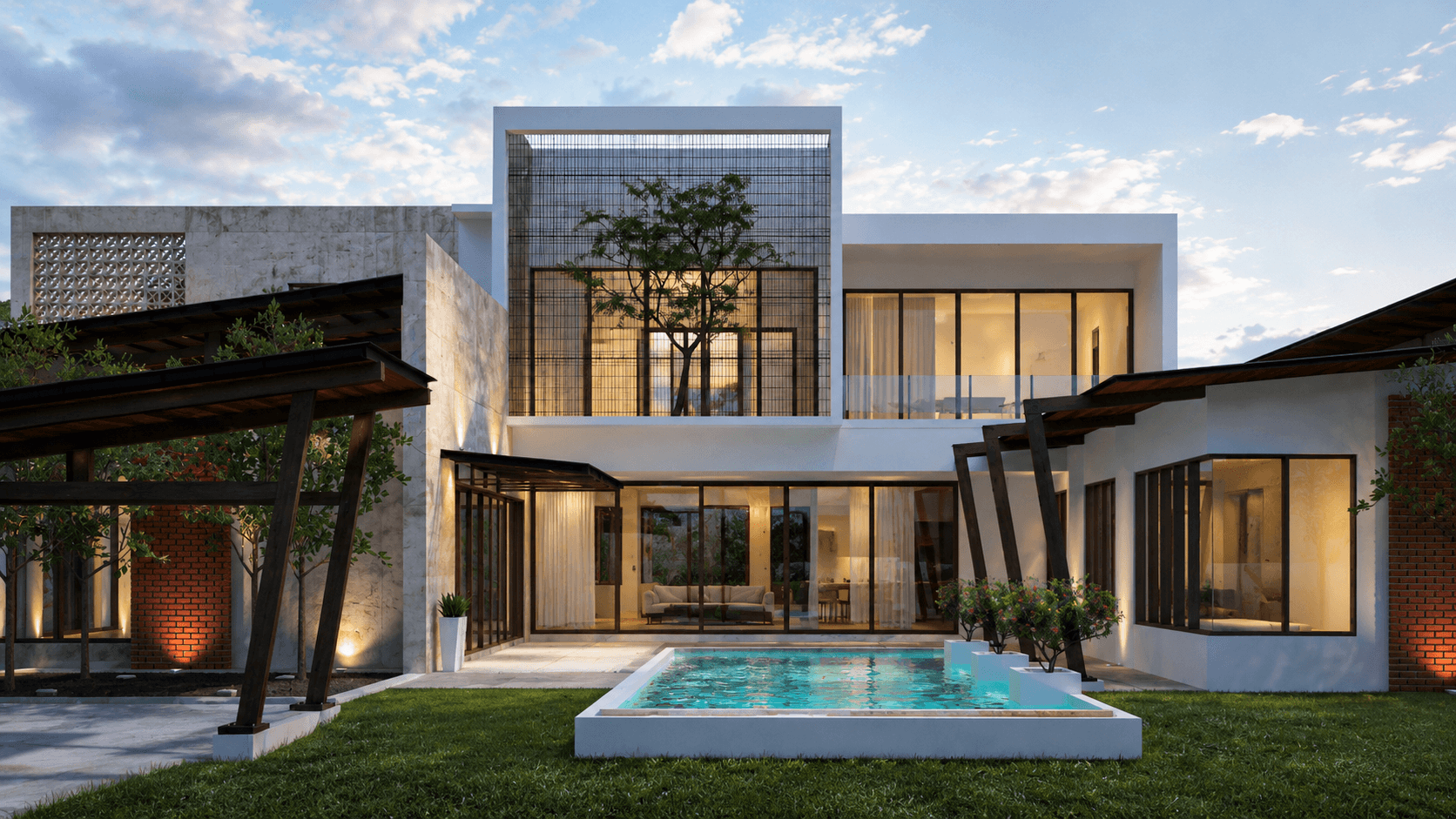
At the heart of the residence lies a double-volume indoor courtyard, a vertical void that draws the gaze upward toward a skylight that washes the interior in ever-changing natural light. Sunlight becomes a material in itself, shifting across surfaces throughout the day. Skylights, full-height glazing, and expansive openings dissolve the threshold between inside and out, encouraging continuous cross-ventilation and sustaining a naturally tempered atmosphere.
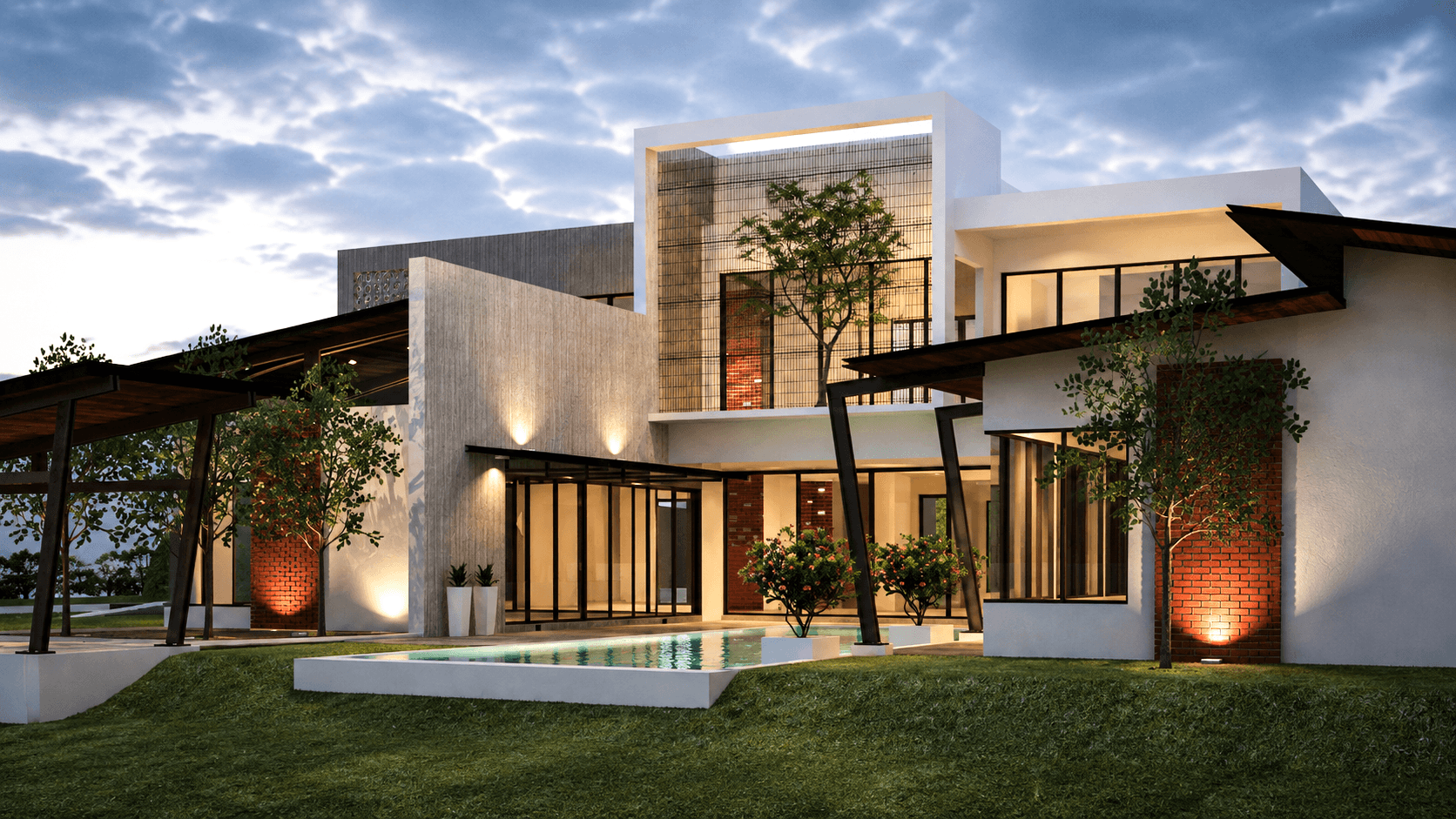
Beyond, the outdoor courtyard is anchored by a swimming pool and water features that animate the microclimate of the house. Through evaporation and movement, water becomes both climate moderator and sensory presence—softening the air while enriching the spatial experience with reflection and sound.
A secondary courtyard on the ground floor extends this dialogue with nature, offering moments of pause and immersion within greenery and water. Rather than a backdrop, landscape becomes an integral inhabitant of the architecture, shaping daily rituals and perceptions of space. Minimal material expression allows the natural elements to take precedence, forming a quiet, contemplative atmosphere.
The architecture deliberately reveals its structural honesty. Foundations, structural frames, and surface expressions are left exposed, articulating clarity of construction and the tactile truth of materials. Ventilation blocks and brickwork filter daylight into layered shadows, producing a shifting interplay of light and depth that animates the architecture throughout the day.
Rooted in the principles of modern Balinese design—openness, material authenticity, and environmental integration—the Light House becomes more than a dwelling. It is a spatial retreat, where architecture and landscape converge to form a serene, meditative environment that gently distances itself from the intensity of urban life, yet remains deeply grounded in place.