






































Accounting Principles

What is Annual Return?
January 9, 2026
Directors vs Shareholders:
January 9, 2026
Want to set up a limited company? Don’t know anything about limited companies?
January 9, 2026
Failure to display the company name and registration number will result in penalties!
January 9, 2026
How many types of taxes are there in Malaysia?
January 9, 2026
How to Minimize Personal Income Tax in 2023?
January 9, 2026
Service tax increases from 6% to 8% starting March 1, 2024
January 9, 2026
How to Make Company Trips More Tax-Efficient?
January 9, 2026
Employee benefits also be tax deductible for the company?
January 9, 2026
What types of donations are eligible for tax deduction?
January 9, 2026
What entertainment expenses are tax deductible?
January 9, 2026
Do you need to pay tax when making money through stocks?
January 9, 2026
To conduct business with a limited company, payment of CP204 is required.
January 9, 2026
Personal income tax that workers need to report FORM BE
January 9, 2026
2023 tax relief summary
January 9, 2026
How much do you know about Form E?
January 9, 2026
Common Questions about Low-Value Goods (LVG) Sales Tax
January 9, 2026
Why Are You Easily Targeted by LHDN?
January 9, 2026
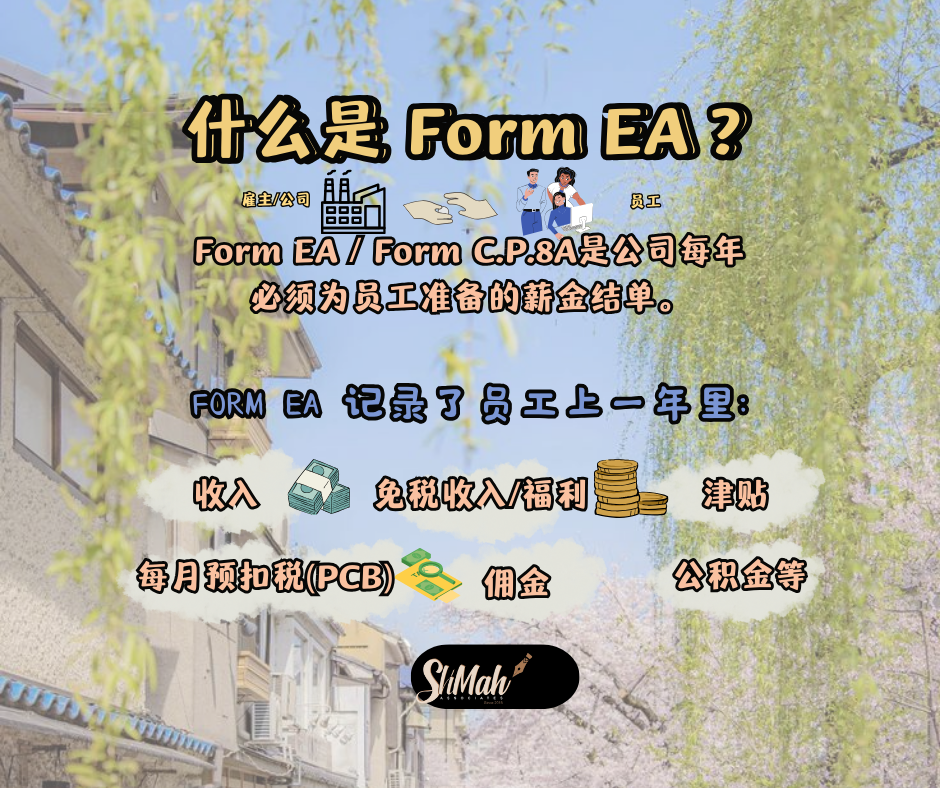
Form EA: Essential for All Salaried Individuals
January 9, 2026
Do I need to pay tax if I win money from buying 4D?
January 9, 2026
Understand which forms you need to submit in 30 seconds!
January 9, 2026
How to improve quality of life while minimizing taxes?”
January 9, 2026
The self-payment EPF limit has been increased to RM100K!
January 9, 2026
RM 100 e-wallet application rejected? Let us tell you why~
January 9, 2026
E-Invoice Related Questions
January 9, 2026
Updating Personal Information in the PADU System to Obtain Government Assistance
January 9, 2026
Old SSPN website will be closed starting from January 10th
January 9, 2026
Electricity Tariff Increase in 2024
January 9, 2026
How many types of taxes are there in Malaysia?
January 9, 2026
How to Minimize Personal Income Tax in 2023?
January 9, 2026
Service tax increases from 6% to 8% starting March 1, 2024
January 9, 2026
The self-payment EPF limit has been increased to RM100K!
January 9, 2026
Front End System VS Back End System
January 9, 2026
What is Annual Return?
January 9, 2026
How to Make Company Trips More Tax-Efficient?
January 9, 2026
Is it advisable for the company’s multiple branches to share a single bank account?
January 9, 2026
Employee benefits also be tax deductible for the company?
January 9, 2026
Sole Proprietorship VS Limited Liability Partnership VS Private Limited Company
January 9, 2026
What types of donations are eligible for tax deduction?
January 9, 2026
What entertainment expenses are tax deductible?
January 9, 2026
Intangible Assets
January 9, 2026
Selling/Disposing of Company Fixed Assets
January 9, 2026
6 Director Types in Malaysia
January 9, 2026
The usefulness of debtor aging reports to companies
January 9, 2026
How to differentiate between company assets and liabilities?
January 9, 2026
Directors vs Shareholders:
January 9, 2026
Profit Margin
January 9, 2026
Do you need to pay tax when making money through stocks?
January 9, 2026
To conduct business with a limited company, payment of CP204 is required.
January 9, 2026
Personal income tax that workers need to report FORM BE
January 9, 2026
Want to set up a limited company? Don’t know anything about limited companies?
January 9, 2026
2023 tax relief summary
January 9, 2026
How much do you know about Form E?
January 9, 2026
RM 100 e-wallet application rejected? Let us tell you why~
January 9, 2026
E-Invoice Related Questions
January 9, 2026
Common Questions about Low-Value Goods (LVG) Sales Tax
January 9, 2026
Failure to display the company name and registration number will result in penalties!
January 9, 2026
Accounting Principles
January 9, 2026
Updating Personal Information in the PADU System to Obtain Government Assistance
January 9, 2026
Old SSPN website will be closed starting from January 10th
January 9, 2026
Electricity Tariff Increase in 2024
January 9, 2026
Why Are You Easily Targeted by LHDN?
January 9, 2026
Form EA: Essential for All Salaried Individuals
January 9, 2026
How to Improve Inventory Turnover Rate for a Company?
January 9, 2026
Do I need to pay tax if I win money from buying 4D?
January 9, 2026
Sole Proprietorship: How much do you know?
January 9, 2026
Partnership: How much do you know?
January 9, 2026
Understand which forms you need to submit in 30 seconds!
January 9, 2026
Important Notice Regarding Tenancy Agreements
January 9, 2026
How to improve quality of life while minimizing taxes?”
January 9, 2026
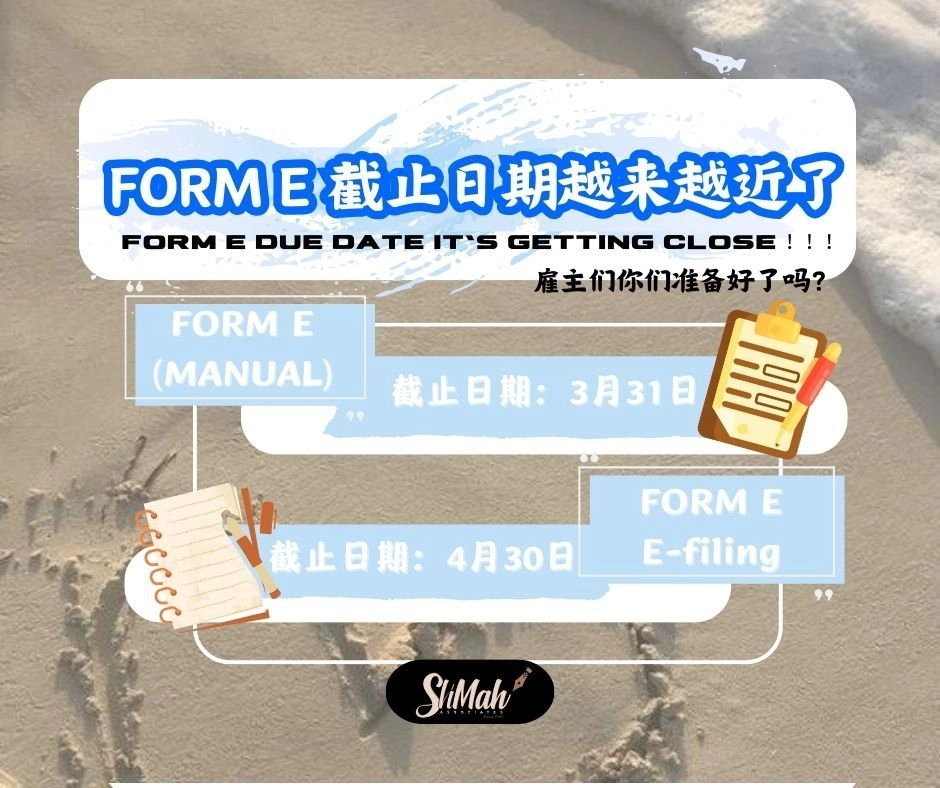
FORM E Due Date
January 9, 2026
Insurance, EPF, and SOCSO are eligible for exemptions
January 9, 2026
incorporation of company
January 9, 2026
Strike Off of Limited Company
January 9, 2026

Accounting Principles
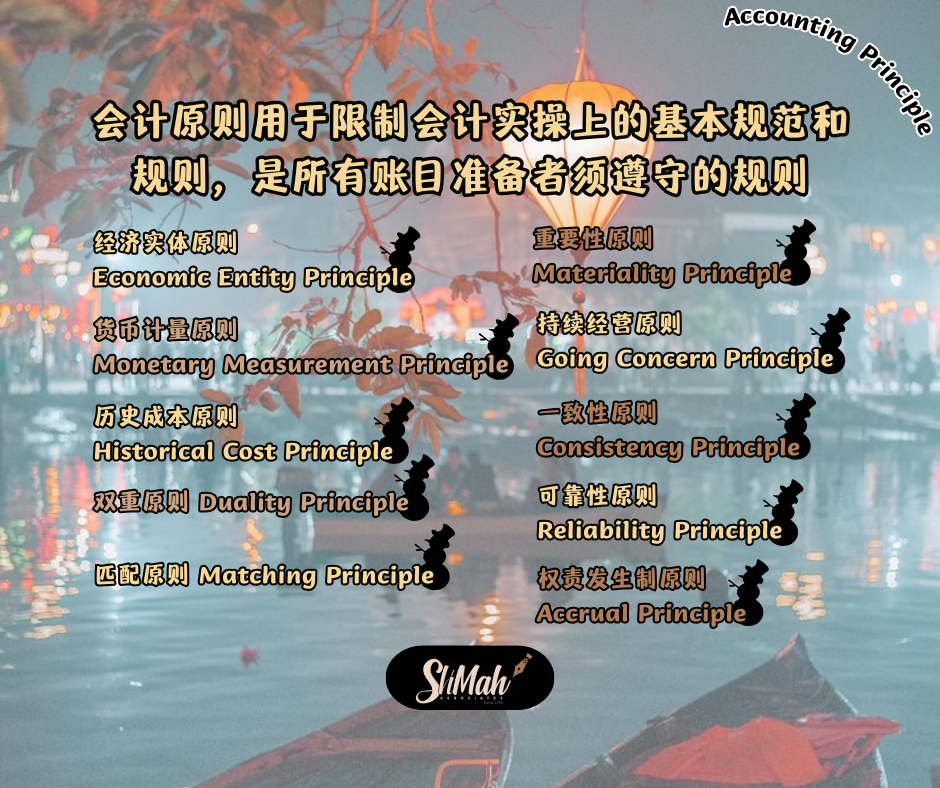
Accounting principles are used to establish fundamental norms and rules in accounting practice,
which all preparers of accounts must adhere to.

  • Entity Principle – The business and its owner are separate entities, and the owner’s personal finances should be kept separate from the business finances.
  • Double Entry Principle – This principle states that every transaction of a company has a dual effect, with one aspect receiving and the other giving, forming the basis of double-entry accounting.
  • Monetary Measurement Principle – Transactions should be recorded and reported in terms of a universally accepted currency unit.
  • Matching Principle – This principle dictates that revenues earned in a certain accounting period must be matched with the costs incurred during the same period.

Even if revenue for the next year is received in advance, it cannot be recognized.

  • Consistency Principle – This principle states that once a company chooses a method for accounting treatment, it must maintain consistency in the future.

For example, if a company chooses the straight-line method for depreciation,
it must follow the same depreciation method in the future.

  • Reliability Principle – This principle dictates that only transactions that can be verified with objective evidence should be recorded in accounting.

Evidence includes purchase receipts, bank statements, etc.

  • Historical Cost Principle – This principle dictates that companies should account for and record all assets at their original cost or purchase price.
  • Going Concern Principle – This principle assumes that the company’s operations will continue in the foreseeable future, allowing for continuity in accounting.

The assumption of going concern is beneficial for the accounting process of the company.

  • Materiality Principle – This principle dictates that transactions with insignificant amounts and minimal impact on financial statements can be grouped with similar items.

Materiality depends on the size of the amount and the nature of the item.

  • Revenue Recognition Principle – This principle states that companies should record revenue in their books immediately upon earning it, regardless of when the cash is received.

Recording sales, even if payment is received later.